
WellnessOctober 30, 2025
224•5 min read
How to keep your dog busy on winter time
Key Takeaways
- Dogs require daily physical and mental stimulation, which can be achieved through daily walks, interaction with people, and engaging games.
- You can choose from a variety of different activities to match your dog’s temperament, energy levels, and natural tendencies.
- Popular games include tug of war, fetch, hide and seek, and puzzle games.
- Training basic obedience and agility can also be a great mental exercise for canines.
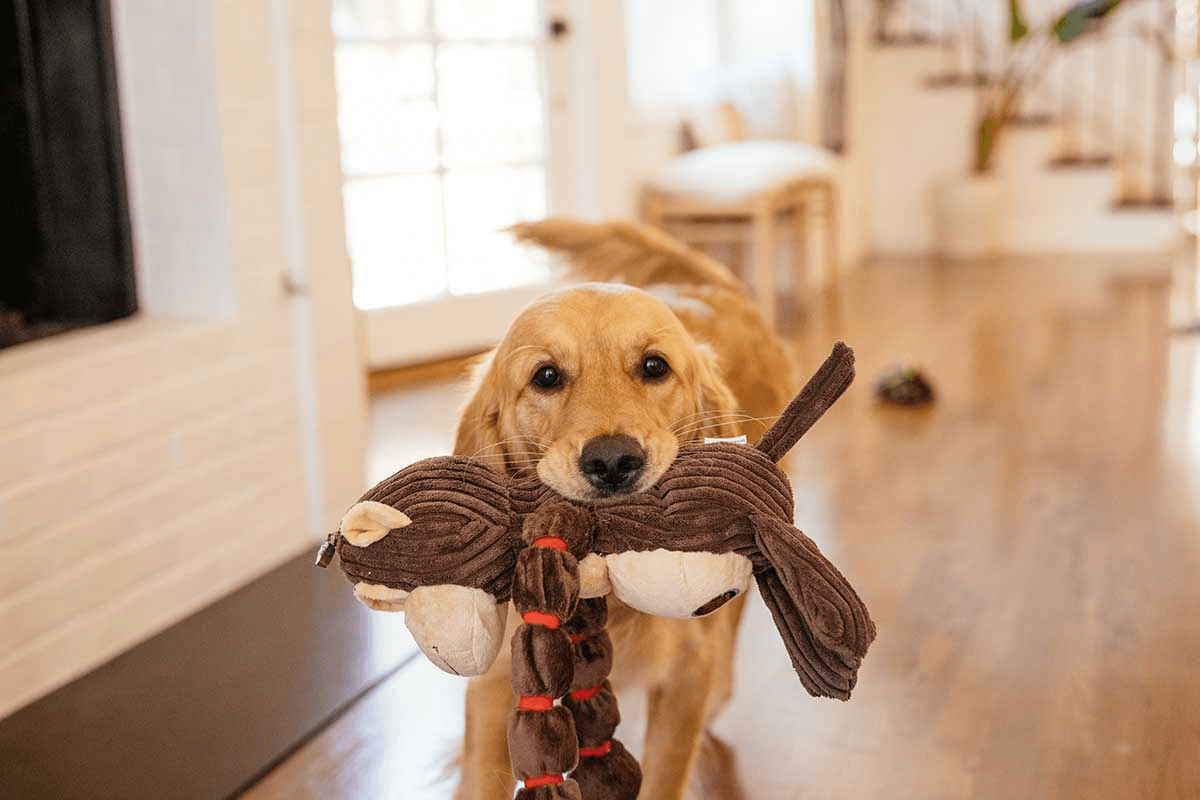
According to a Tug-E-Nuff survey, nine out of ten dog owners spend time playing games with their dogs every day. But how can you pick which activities will suit you and your dog's personality? The games described below vary in their intensity and can be suitable for dogs of different breeds and energy levels.
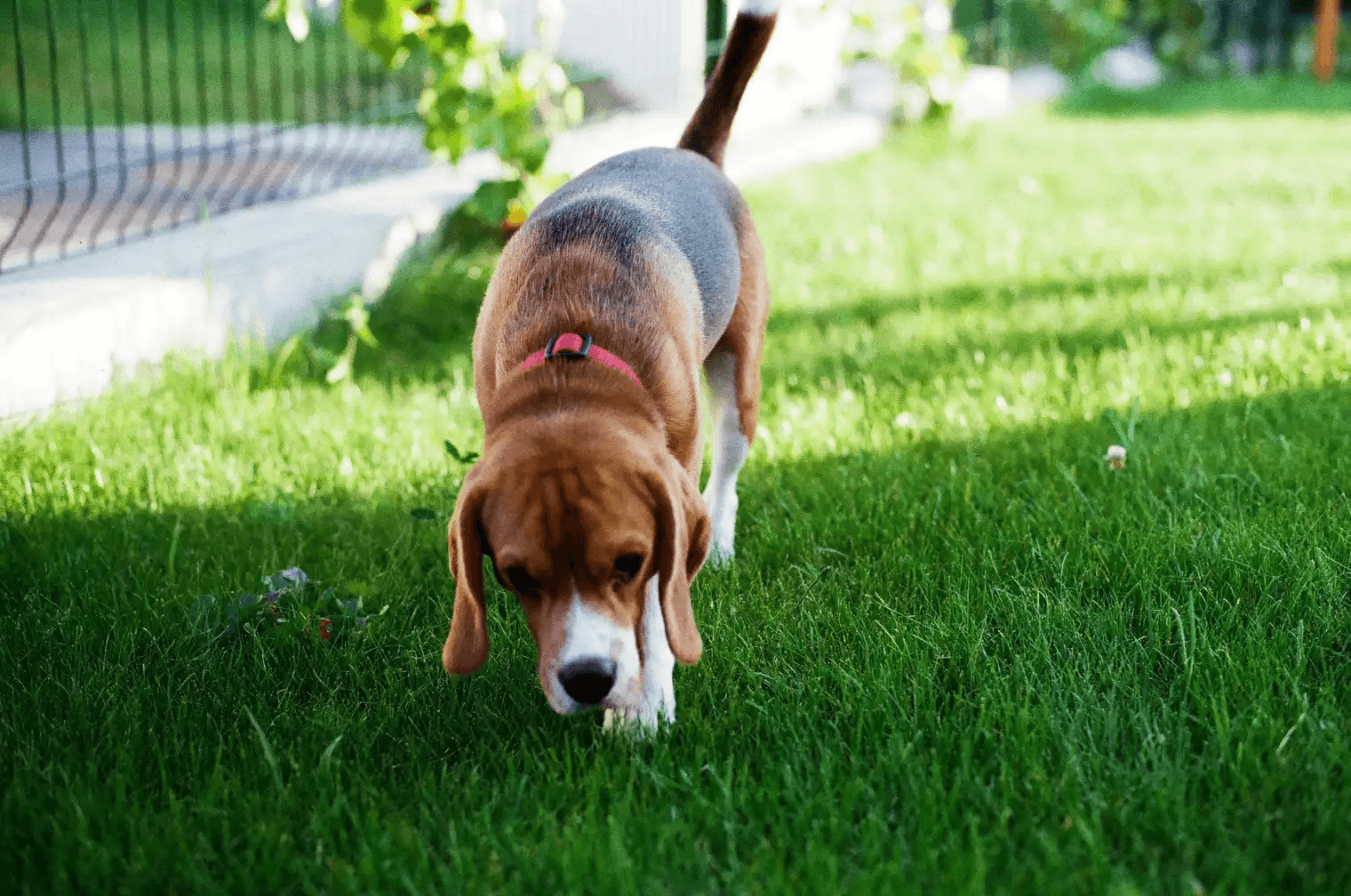
Gentle Nature Sniffy Walks
Walking is essential for your canine companion’s mental and physical well-being. Start taking strolls in serene environments to stimulate your pup without overwhelming them.
Allow your dog to explore at their own pace, stopping to sniff and enjoy the surroundings. Using a long line can also give your pup more freedom while ensuring safety, so you don’t have to worry about perfect leash manners right away. You can gradually introduce your furry friend to new places, enriching their experience and making it more enjoyable for them.
Mindful Treasure Hunt
Another low-impact activity for your pet is a simple treasure hunt. Hide their favorite treats (ideally something especially tasty or smelly) in various spots around the house. Next, encourage your dog to find them using their sense of smell.
This activity stimulates your dog’s brain through their sense of smell and can also provide a subtle physical challenge.
Fetch
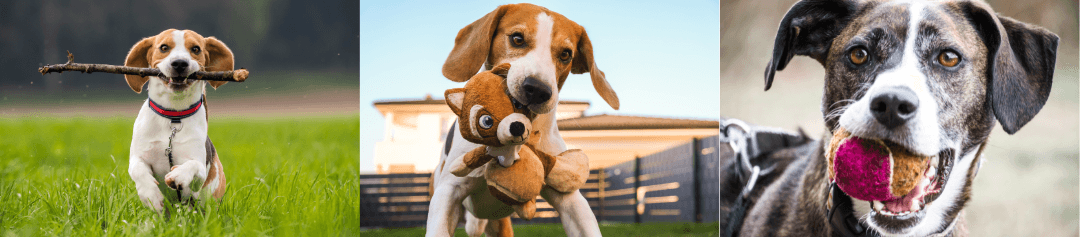
Fetch is one of the most popular activities to engage your canine companion. You can make it more entertaining by incorporating different toys and changing the throwing distance. This fun game provides a good balance of mental and physical exercise.
Energetic Fetch and Retrieval
If you own a high-energy dog, a simple game of fetch may not be enough. Opt for longer sessions and play in spacious areas instead. You can also make the game more challenging by incorporating sprints or tricky retrieves, such as throwing a ball uphill, to keep active dogs engaged and busy.
Obstacle Course Adventures
Set up a moderate-level obstacle course in your backyard, using tunnels, jumps, or weave poles. You can purchase agility equipment or create DIY versions with household items. Guide your dog through the course to promote agility and provide a stimulating challenge. Always check with your vet to make sure your dog does not have any health issues that could put their joints at risk.
Hide and Seek
Dogs love hide and seek. Find a perfect hiding spot, tell your dog to sit and wait, and then invite them to seek you out. Reward them if they find you. You can also help them by using your voice or other playful sounds.
Tug of War
Tug of war can help satisfy your dog’s natural prey drive while providing both physical exercise and mental stimulation. To keep the game safe, teach your dog to release the toy on cue and stop immediately if their teeth touch your skin or clothing.
Chase the Prey
This activity is a great outlet for dogs with high energy levels and strong hunting instincts. Use a flirt pole—a long pole with a rope and toy attached—and move it along the ground or in the air, encouraging your dog to chase and catch it. Reward successful catches with praise or a quick treat to keep them motivated.
Popping Bubbles
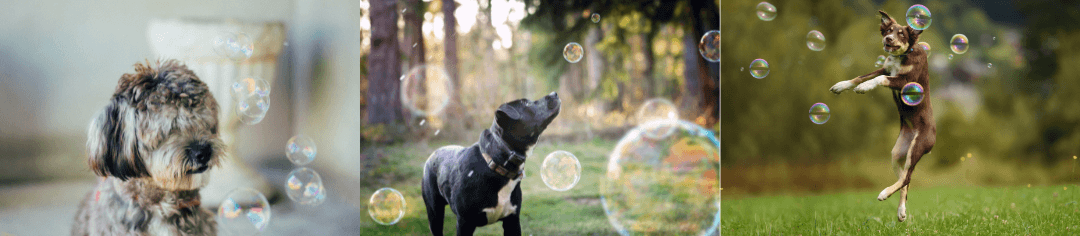
Use pet-friendly bubbles to engage your dog in a simple but fun activity. Blow the bubbles at your dog’s chest level and let them try to pop them. This game is excellent for physical and mental exercise.
Muffin Tin Puzzle
Another easy DIY game is the muffin tin puzzle. Place treats in a few of the cups and cover all the holes with small balls or toys. Your dog must use their nose or paws to move the items and uncover the treats.
Basic Obedience Training
Teaching commands to your dog is a powerful way to prevent unwanted behaviors while strengthening your bond. Focus on essentials like name recognition, look, sit, down, come, leave it, drop it, place, and stay.
Short training sessions mixed with play help keep your dog engaged and motivated. Use positive reinforcement, keep things fun, and celebrate small wins. Over time, these habits improve your dog’s confidence and make everyday life smoother for both of you.
Is this article helpful?
You might also be interested in these: